When Politics Meet Projects: The Elevator
A short elevator ride, and I'd just been offered a deal — his support, in exchange for undermining the person I reported to.
Have you ever been in a hostile environment implementing an ERP project?
My first steering committee meeting was intimidating enough on its own. A room full of stakeholders from different companies, and more than a few top executives watching closely.
I gave my first status report as PMO. It went fine, I thought. I felt relieved. I thought I'd passed the test.
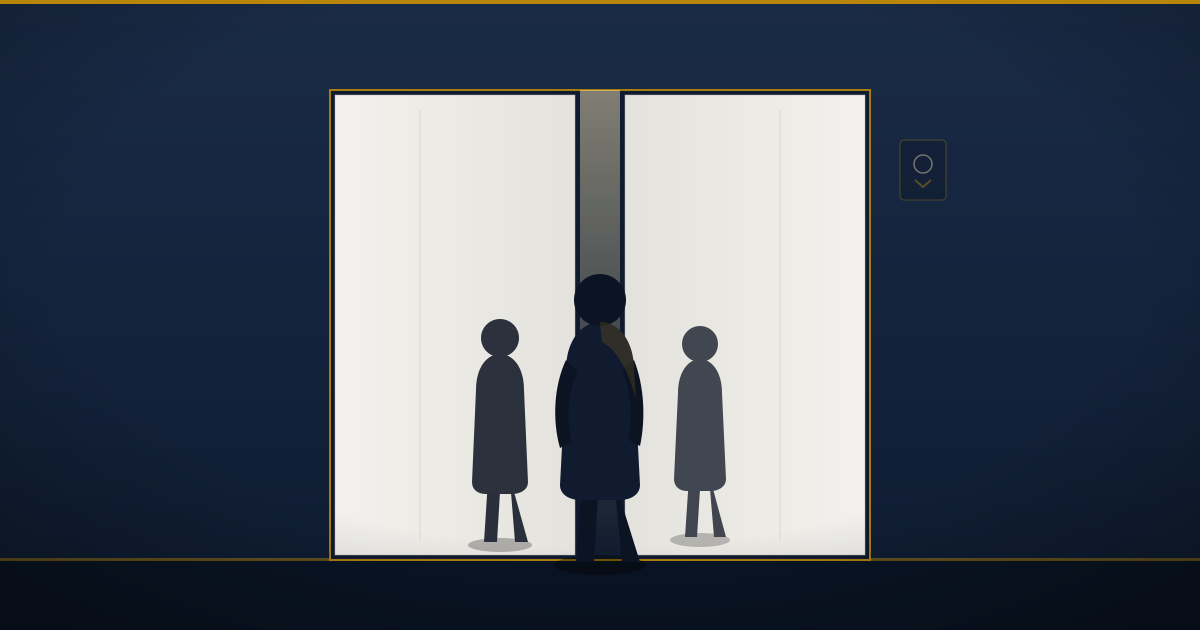
Then the elevator doors opened.
An executive stepped in, his director beside him.
“You seemed not to be very transparent in your status report,” he said.
The director said nothing — just a look that told me to be careful.
The executive kept going, listing what had made him unhappy, then said I had his full support, anytime I needed it. Then he suggested something else: that my next report should include my own boss's inaction. My boss, who also sat on that same steering committee.
That was the moment. A short elevator ride, and I'd just been offered a deal — his support, in exchange for undermining the person I reported to.
I said nothing in the elevator beyond a polite nod. But I knew exactly what had just happened, and I knew I wasn't going to take it.
Over the following weeks, the pattern became clearer. Distrust between stakeholders. Competition inside the steering committee itself. The executive who'd cornered me wasn't quiet about his issues with my boss. Everyone was pulling toward their own group's agenda, and nobody seemed to care much about the integration the project actually needed.
It wasn't a team. It was a tug of war with a project management office standing in the middle.
I've thought about that elevator ride many times since. A few things became clear to me from it.
Trust has to be earned before it's needed — by the time you're in a hostile room, it's too late to start building it.
The loudest, most senior voice in the room isn't always the one you should follow, and sometimes recognizing that early saves you from a much bigger problem later.
Sticking to your principles can cost you an easy ally, but it protects something more valuable — your credibility with everyone watching how you handle it, including the people who never say anything in the room.
I chose to stay with the project's governance and objectives, and let any issue about people or performance go through the process it was meant to go through — not through a quiet deal in an elevator.
It wasn't the comfortable choice. It was the right one.
What I didn't fully appreciate in that elevator was what was actually driving all of it. This wasn't disagreement about the right way forward — that I could have worked with. It was people in positions of power protecting their own turf, regardless of what it cost the project as a whole.
No real offer of compromise. No real openness to collaborate. Just a tug-of-war, each side pulling toward its own interest, while a multi-million dollar program sat in the middle absorbing the damage.
Have you worked on a project where the biggest threat wasn't the technology or the budget, but the people who were supposed to be leading it?
What do you do when the people with the most power have the least interest in compromise?